
It’s Sunday evening and someone asks the question every Indian home dreads: “What are we making this week?” You open the fridge, see half a cabbage, some paneer and a lonely lemon, and end up making the same dal-chawal for the fourth time. Sound familiar?
A simple weekly plan fixes that. Below is a complete 7-day Indian vegetarian meal plan for a family of four, with breakfast, lunch, an evening snack and dinner for every day, a grocery list you can shop from in one trip, and a two-hour Sunday prep routine that makes weeknights easy. Each day borrows from a different regional kitchen, so nobody gets bored, and leftovers from one meal are planned into the next.
The short answer: a 7-day Indian vegetarian meal plan
A good Indian vegetarian meal plan gives every main meal a protein (dal, legumes, paneer or curd), a vegetable, a whole grain and something fresh, and it plans soaking, batters and leftovers in advance. Here’s the week at a glance:
- Monday (Gujarati): methi thepla, Gujarati dal with bhindi, vaghareli khichdi with kadhi.
- Tuesday (Punjabi): aloo paratha, dal tadka with jeera rice, paneer bhurji with phulka.
- Wednesday (North Indian): vegetable poha, rajma chawal, lauki chana dal with roti.
- Thursday (South Indian): idli sambar, lemon rice with cabbage poriyal, masala dosa.
- Friday (Maharashtrian): thalipeeth, varan bhaat with batata bhaji, pav bhaji.
- Saturday (weekend treat): chole puri brunch, khaman dhokla, veg pulao with raita.
- Sunday (Bengali + prep day): besan chilla, Bengali moong dal with aloo posto, palak paneer.
Shop once using the grocery list below, then spend about two hours on Sunday prepping for the week ahead.
How this meal plan works
Why do most meal plans fail after three days? Because they’re written for an imaginary kitchen with unlimited time. This one is built around how Indian homes actually cook, using four simple rules:
- One region per day. Gujarati on Monday, Punjabi on Tuesday, South Indian on Thursday and so on. The spices and staples overlap enough that you won’t need a cupboard full of special ingredients, but the food feels different every day.
- A balanced plate at every main meal. Each lunch and dinner pairs a protein (a dal, legume, paneer or curd) with at least one vegetable, a grain and something fresh like salad, raita or chaas.
- Cook once, eat twice. Extra theplas become Tuesday’s breakfast option, Thursday’s idli batter becomes dinner dosas, and leftover sambar goes into lunch. Less cooking, less waste.
- Soak and prep the night before. Rajma, chole and idli batter all need time, not effort. Each day ends with a short “prep tonight” note so nothing catches you out.
The plan assumes a family of four eating three meals and a snack at home, and it’s lacto-vegetarian, so it uses milk, curd, paneer and ghee. You’ll find vegan, Jain and smaller-household swaps further down.

The 7-day Indian vegetarian meal plan, day by day
Quantities are written for four people. Swap any dish for a family favourite from the same region; the grocery list will still mostly work.
Day 1, Monday: a Gujarati day
- Breakfast: methi thepla with curd and a spoon of pickle. Make a double batch; theplas keep well for two to three days.
- Lunch: khatti-meethi Gujarati dal, bhindi sabzi, rotli and steamed rice.
- Evening snack: masala chaas and a handful of roasted chana.
- Dinner: vaghareli khichdi with Gujarati kadhi and papad. Comforting, light and a gentle start to the week.
Prep tonight: nothing heavy. Wash and dry the methi and coriander if you didn’t on Sunday.
Day 2, Tuesday: a Punjabi day
- Breakfast: aloo paratha with curd and butter, or yesterday’s theplas if mornings are rushed.
- Lunch: dal tadka with jeera rice, cucumber raita and kachumber salad. Not sure about the order of spices? Our guide on how to make the perfect tadka walks you through it.
- Evening snack: masala chai with roasted makhana. You can roast makhana in a pan, the oven or an air fryer.
- Dinner: paneer bhurji with phulkas and sliced onion with lemon.
Prep tonight: soak the rajma in plenty of water for 8 to 10 hours, or overnight.
Day 3, Wednesday: a North Indian comfort day
- Breakfast: vegetable poha with peanuts, peas and a squeeze of lemon.
- Lunch: rajma chawal with onion-tomato salad and curd. Pressure-cook the soaked rajma in the morning.
- Evening snack: fruit chaat with chaat masala and a little black salt.
- Dinner: lauki chana dal with roti. Lauki is mild, so let the tadka of cumin, hing and ginger do the talking.
Prep tonight: soak idli rice and urad dal in the morning, grind the batter in the evening and leave it to ferment overnight in a warm spot.
Day 4, Thursday: a South Indian day
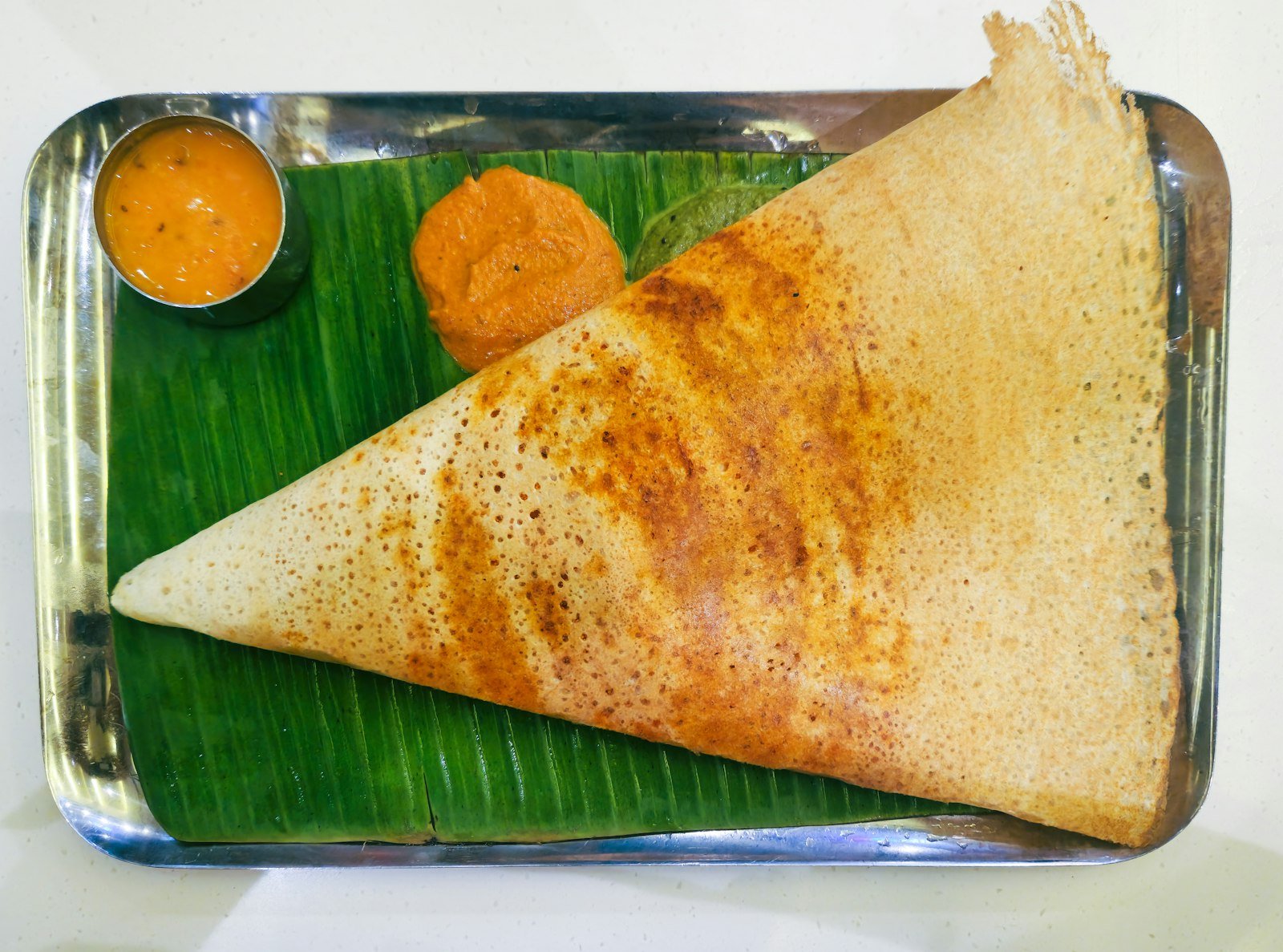
- Breakfast: idli with sambar and coconut chutney. Make a big pot of sambar; you’ll use it twice today.
- Lunch: lemon rice, cabbage poriyal, leftover sambar and curd.
- Evening snack: chana sundal with grated coconut and curry leaves.
- Dinner: masala dosa with the remaining batter, potato masala and chutney.
Prep tonight: nothing to soak. Refrigerate any leftover batter; it keeps for a day or two.
Day 5, Friday: a Maharashtrian day
- Breakfast: thalipeeth (multigrain flatbread) with curd or white butter.
- Lunch: varan bhaat (plain toor dal and rice with ghee and lemon), batata bhaji and cucumber koshimbir.
- Evening snack: kothimbir vadi, steamed coriander and besan cakes, shallow-fried until crisp.
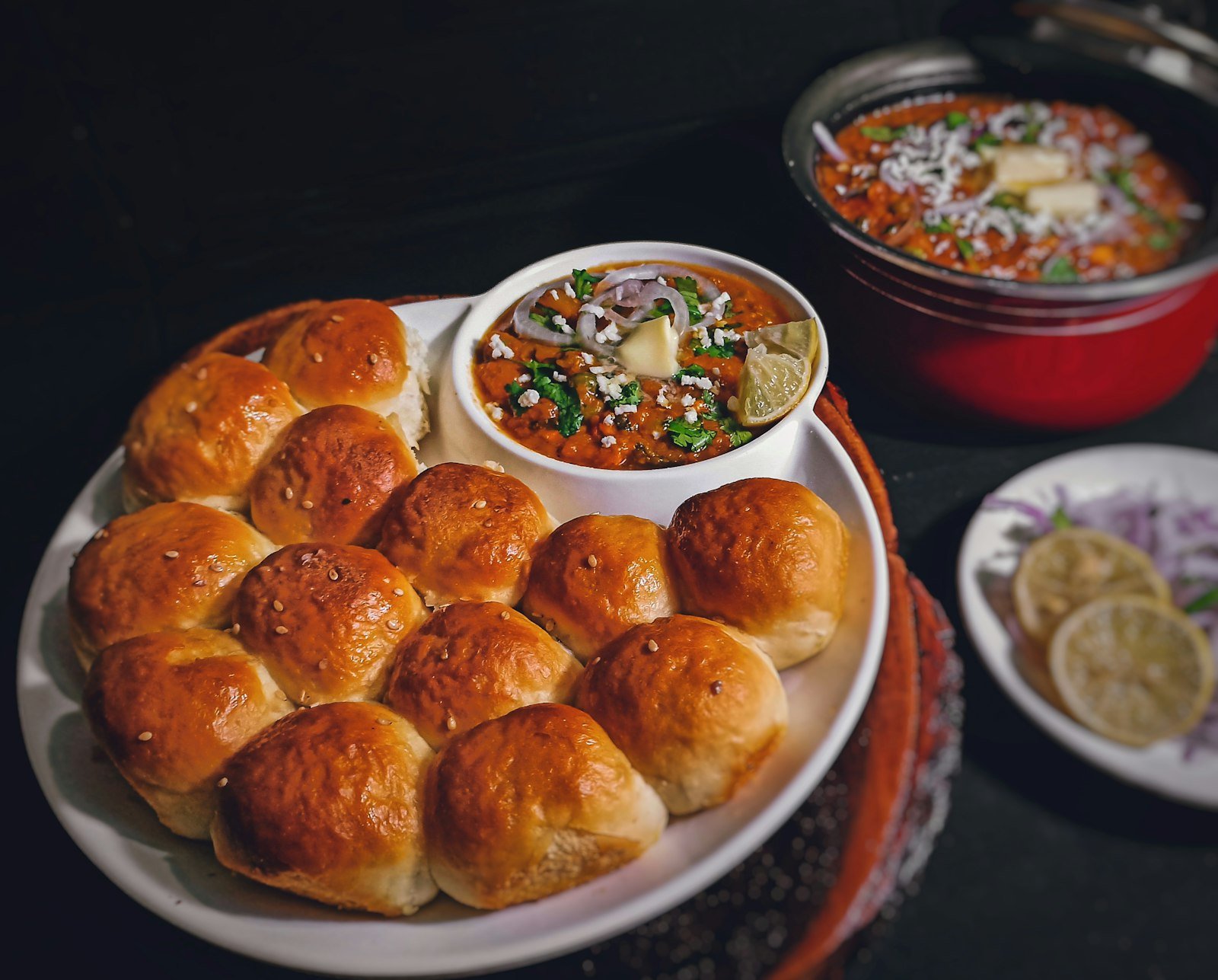
- Dinner: pav bhaji. It’s the perfect end-of-week dish because it uses up potatoes, cauliflower, capsicum, peas and carrots.
Prep tonight: soak the kabuli chana overnight for tomorrow’s chole.
Day 6, Saturday: a weekend treat day
- Brunch: chole with puri, sliced onions, green chutney and sweet lassi. Pressure-cook the soaked chole first thing.
- Evening snack: instant khaman dhokla with a mustard seed and curry leaf tadka.
- Dinner: vegetable pulao with boondi raita and roasted papad. Light after a big brunch.
Prep tonight: nothing to soak. Note what’s left in the fridge before tomorrow’s shop.
Day 7, Sunday: a Bengali day (and prep day)
- Breakfast: besan chilla with onion, tomato and coriander, served with green chutney.
- Lunch: Bengali-style moong dal finished with a panch phoron tadka, aloo posto, begun bhaja and rice.
- Evening snack: jhalmuri: puffed rice with mustard oil, onion, chilli, peanuts and lemon.
- Dinner: palak paneer with roti and a simple salad.
Prep tonight: follow the Sunday prep plan below and you’re ready for next week.
Grocery list for the week (family of four)
Shop once on Saturday or Sunday. Quantities are approximate and assume you already have basics like salt and sugar. Fresh herbs and leafy greens wilt fastest, so if you can, pick those up again on Wednesday.

Grains, flours and breads
- Whole wheat atta: 3 kg
- Rice (sona masoori or basmati): 3 kg
- Idli rice: 1 kg (or 500 g idli rava)
- Thick poha: 500 g
- Besan: 750 g (chilla, kothimbir vadi, dhokla, kadhi)
- Thalipeeth bhajani flour: 250 g (or mix jowar, bajra and besan)
- Pav: 8 to 12
- Puffed rice (murmura): 200 g
Dals and legumes
- Toor dal: 1 kg
- Yellow moong dal: 500 g
- Chana dal: 250 g
- Urad dal (for idli): 300 g
- Rajma: 300 g
- Kabuli chana: 500 g (chole and sundal)
- Roasted chana: 200 g
Dairy
- Curd: about 3 kg (or set your own from milk)
- Milk: about 5 litres for chai, lassi and setting curd
- Paneer: 600 g
- Ghee: 250 g
- Butter: 200 g (pav bhaji, parathas)
Vegetables
- Onions: 3 kg, tomatoes: 3 kg, potatoes: 2.5 kg
- Ginger: 200 g, garlic: 200 g, green chillies: 150 g
- Bhindi: 500 g, lauki: 1 medium, cabbage: 1 small, French beans: 250 g
- Cauliflower: 1 small, capsicum: 3, carrots: 500 g, green peas: 250 g (fresh or frozen)
- Spinach: 2 large bunches, methi: 2 bunches, brinjal: 2 large
- Cucumbers: 1 kg, lemons: 10, coconut: 1 (or 200 g frozen grated)
- Fresh coriander: 4 bunches, curry leaves: 2 bunches, mint: 1 bunch
Fruit, nuts and snacks
- Seasonal fruit for chaat and breakfasts: 2 to 3 kg
- Peanuts: 250 g
- Makhana: 100 g
- Papad: 1 packet
Spices and pantry
- Mustard seeds, cumin, hing, turmeric, red chilli powder, Kashmiri chilli, coriander powder, garam masala
- Chole masala, pav bhaji masala, sambar powder, chaat masala, kasuri methi
- Panch phoron and white poppy seeds (posto): 50 g
- Tamarind, jaggery, mustard oil (small bottle), cooking oil: about 1 to 1.5 litres
- Eno or baking soda for dhokla, pickle of your choice
The 2-hour Sunday prep plan
Is two hours on a Sunday really worth it? Think of it as buying back twenty minutes every weekday evening. Work through these in order so the slow jobs run in the background:
- Set curd (if you make your own) first, so it has the whole day to set.
- Wash, dry and store greens and herbs. Wrap coriander and methi in a kitchen towel inside a box. Dry leaves last days longer than wet ones.
- Cook a big onion-tomato masala base. Sauté onions, ginger, garlic and tomatoes with basic spices until the oil separates. It keeps for 3 to 4 days in the fridge and becomes the start of rajma, chole, paneer bhurji and pav bhaji.
- Knead dough for two days. Wrapped tightly, roti dough keeps well in the fridge for about two days.
- Grind green chutney and ginger-garlic paste. Store each in a small jar; the chutney stays fresh for 2 to 3 days.
- Chop long-lasting vegetables. Carrots, beans and cabbage can be chopped and refrigerated for weekday sabzis. Leave onions, potatoes and brinjal until you cook them; they discolour.
- Dry-roast and grind spices such as roasted cumin powder for raita, chaas and chaat.
Store everything in clear, labelled boxes at the front of the fridge. If you can see it, you’ll use it.
How to adapt this meal plan for your family
Cooking for one or two?
Halve the dal, rice and vegetable quantities, but keep the rajma, chole and sambar as full batches and freeze half in portions. On a busy night, a frozen box of rajma and some rice is a homemade meal in ten minutes.
Jain or no onion-garlic swaps
Skip the onion-tomato base and build dishes on tomato, ginger, hing and cumin instead. Replace potato-heavy dishes with raw banana or lauki, choose moong dal khichdi over rajma, and finish dals with a ghee-cumin-hing tadka for depth.
Vegan swaps
Use oil instead of ghee, firm tofu instead of paneer, and coconut or peanut curd instead of dairy curd. Chaas can become a spiced lemon-mint cooler, and pav bhaji works perfectly with a vegan butter or a little extra oil.
Want more protein?
Add a bowl of sprouts or sundal to breakfast, serve dal at both lunch and dinner, and include paneer, tofu, curd or roasted chana daily. Mixing a dal with a grain, as in khichdi or rajma chawal, also gives a more complete mix of protein than either alone.
Is this a healthy, balanced Indian vegetarian diet?
For most healthy families, yes: it’s built the way India’s dietary guidelines suggest, with plenty of vegetables, whole grains and pulses at every main meal, and dairy, nuts and seeds through the day. The ICMR-NIN Dietary Guidelines for Indians (2024) recommend getting nutrients from a variety of food groups rather than relying mostly on cereals, and this plan follows that idea.
A few honest caveats. It isn’t a weight-loss or medical diet, and portion sizes matter more than any menu. Fried items such as puri and kothimbir vadi appear only once each, as weekend or snack treats. If anyone in your family has diabetes, kidney disease or another health condition, ask a doctor or registered dietitian to adjust the plan.
Common meal-planning mistakes (and how to avoid them)
- Planning seven brand-new dishes. Repeat-friendly dishes and planned leftovers are what make a plan stick. Notice how this one reuses sambar, batter and theplas.
- Forgetting to soak. Put a reminder on your phone for the nights before rajma and chole. It’s the single most common reason a plan falls apart.
- Buying every vegetable on day one. Hardy vegetables last the week; greens and herbs don’t. A quick mid-week top-up saves waste.
- Skipping the fresh element. A simple salad, raita, chaas or a squeeze of lemon makes a heavy meal feel lighter and adds crunch, colour and vitamin C.
- Being too rigid. Swap days around whenever you need to. The plan is a guide, not a rulebook.
Frequently asked questions
What is a good 7-day Indian vegetarian meal plan?
A good plan gives each main meal a protein such as dal, legumes, paneer or curd, a vegetable, a whole grain and something fresh like salad or raita. Rotating regional cuisines across the week, for example Gujarati, Punjabi, South Indian and Maharashtrian, keeps it varied without needing many special ingredients.
How do I make a weekly Indian meal plan?
Pick one theme or region per day, list breakfast, lunch, snack and dinner, then plan leftovers and overnight soaking. Write a single grocery list grouped by aisle and spend about two hours on Sunday prepping masala base, dough, chutney and chopped vegetables.
How can I get enough protein on an Indian vegetarian diet?
Include a pulse at most meals, such as dal, rajma, chole, sprouts or besan, and add dairy like curd, paneer and milk. Roasted chana, peanuts and makhana make good protein-rich snacks. Vegans can use tofu, soy and more legumes.
What should I prep on Sunday for the week?
Set curd, wash and dry greens and herbs, cook an onion-tomato masala base, knead roti dough, grind green chutney and ginger-garlic paste, and chop hardy vegetables like carrots, beans and cabbage. Label everything and keep it at the front of the fridge.
How long does an onion-tomato masala base last in the fridge?
A well-cooked masala base, sautéed until the oil separates and stored in a clean airtight container, generally keeps for 3 to 4 days in the fridge. For longer storage, freeze it in small portions or ice-cube trays.
Can I use this meal plan for two people?
Yes. Halve the dal, rice and vegetable quantities, but cook rajma, chole and sambar in full batches and freeze half. That gives you ready meals for the following week.
Is this meal plan suitable for weight loss?
It’s a balanced everyday plan, not a weight-loss diet. Portion size, cooking oil and how often you eat fried foods matter most. If you’re trying to lose weight or have a health condition, a registered dietitian can adjust it for you.
Make this week easier
Save this page, screenshot the week-at-a-glance chart for your fridge, and take the grocery list shopping. New to Indian tempering? Start with our step-by-step guide to making the perfect tadka, which you’ll use in almost every dish this week. Planning for the festival? Our Diwali week meal plan has festive menus and a make-ahead schedule for sweets.